6 posts tagged with "fairness"

View All Tags

HausFlow Roommate: Visible Parity Without Scorekeeping

· 4 min read

HausFlow Editorial
Behavioral Systems Writer

Shared living usually starts with goodwill and vague expectations.

Everyone agrees the kitchen should stay usable. Everyone agrees supplies should not run out. Everyone agrees guests, packages, bills, quiet hours, and recurring household work should be handled like adults.

Then real life begins.

The issue is rarely that roommates do not care. The issue is that shared homes often run on memory, tolerance, and private resentment instead of a visible operating layer.

HausFlow Roommate exists for that gap.

Lightening the Mental Load: How HausFlow Tracks What You Used to Carry Alone

· 6 min read
HausFlow Editorial
Behavioral Systems Writer

Mental Load Transition

For most households, the heaviest work isn't the physical act of doing the laundry or washing the dishes. It is the mental load: the invisible, constant stream of anticipation, planning, and management required to keep a home running.

It's the "thinking work." It's remembering that Tuesday is library book day, noticing the milk is low before it's gone, and tracking whether the kids actually finished their homework or just said they did. This cognitive labor is often unmeasured and unacknowledged, leading to a state of permanent "brain fog" and relational friction.

At Mavaro Systems, we believe that willpower is a finite resource. You shouldn't have to "remember harder." Instead, you need a system that captures the mental load and makes it visible. With HausFlow currently 80% through its development for Android and iOS, we are building that operating layer: transforming invisible labor into trackable, shared responsibilities.

The Invisible Labor Audit: How HausFlow Makes Mental Load a Team Sport

· 6 min read

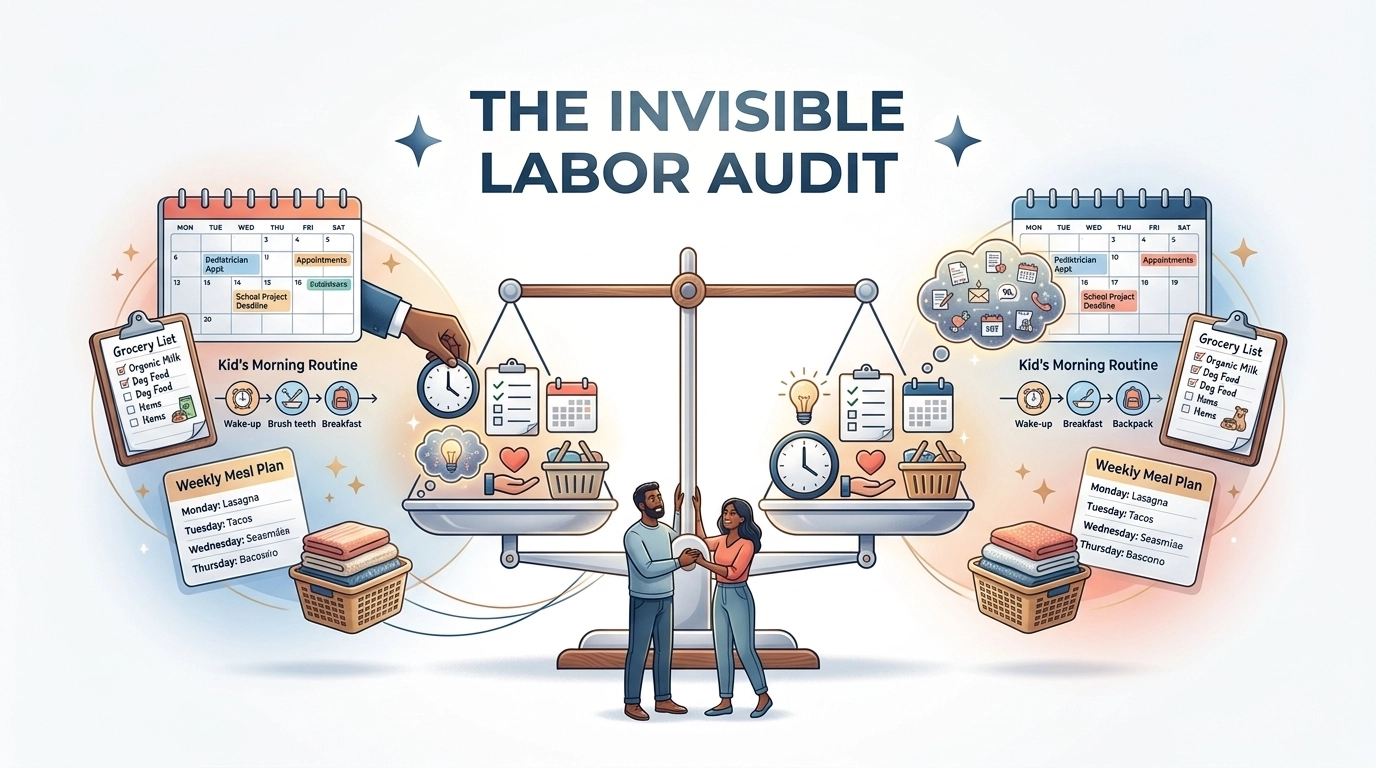
The Invisible Labor Audit Hero Image

In many households, there is a ghost in the machine. It is the work that leaves no physical footprint but consumes the majority of the bandwidth. It is the mental list of when the milk expires, which child needs new cleats by Tuesday, and whose turn it is to host the playdate.

This is invisible labor. It is the cognitive, managerial, and emotional weight of running a family. Recent research suggests that mothers shoulder approximately 71% of this mental load. When this burden remains unseen, it leads to a predictable cycle of friction, resentment, and eventual burnout.

At Mavaro Systems, we believe that resentment is often just a symptom of a missing system. By applying the Mavaro Systems - Behavioral OS, we can move home management from vague expectations to visible ownership.

Invisible Labor No More: A Guide to Balancing Your Fair Household Workload

· 6 min read
HausFlow Editorial
Behavioral Systems Writer

heroImage

Household management is often perceived as a collection of physical tasks: washing dishes, vacuuming floors, or taking out the trash. However, the most exhausting part of maintaining a home is the work that cannot be seen. This is invisible labor at home: the cognitive and emotional burden of anticipating needs, planning schedules, and monitoring the overall state of the household.

When this labor is unacknowledged, it creates a mental load that typically falls disproportionately on one person. The result is not just a messy house, but a fractured relationship defined by resentment, friction, and shame spirals when tasks are inevitably missed.

At Mavaro Systems, we view the home not just as a place to live, but as an environment requiring a functional Mavaro Systems Behavioral OS. By implementing an operating layer that makes the invisible visible, families and roommates can transition from chaotic reactive states to a steadier, more sustainable rhythm.

Why Mapping Invisible Labor Will Change the Way You Partner and Parent

· 6 min read

heroImage

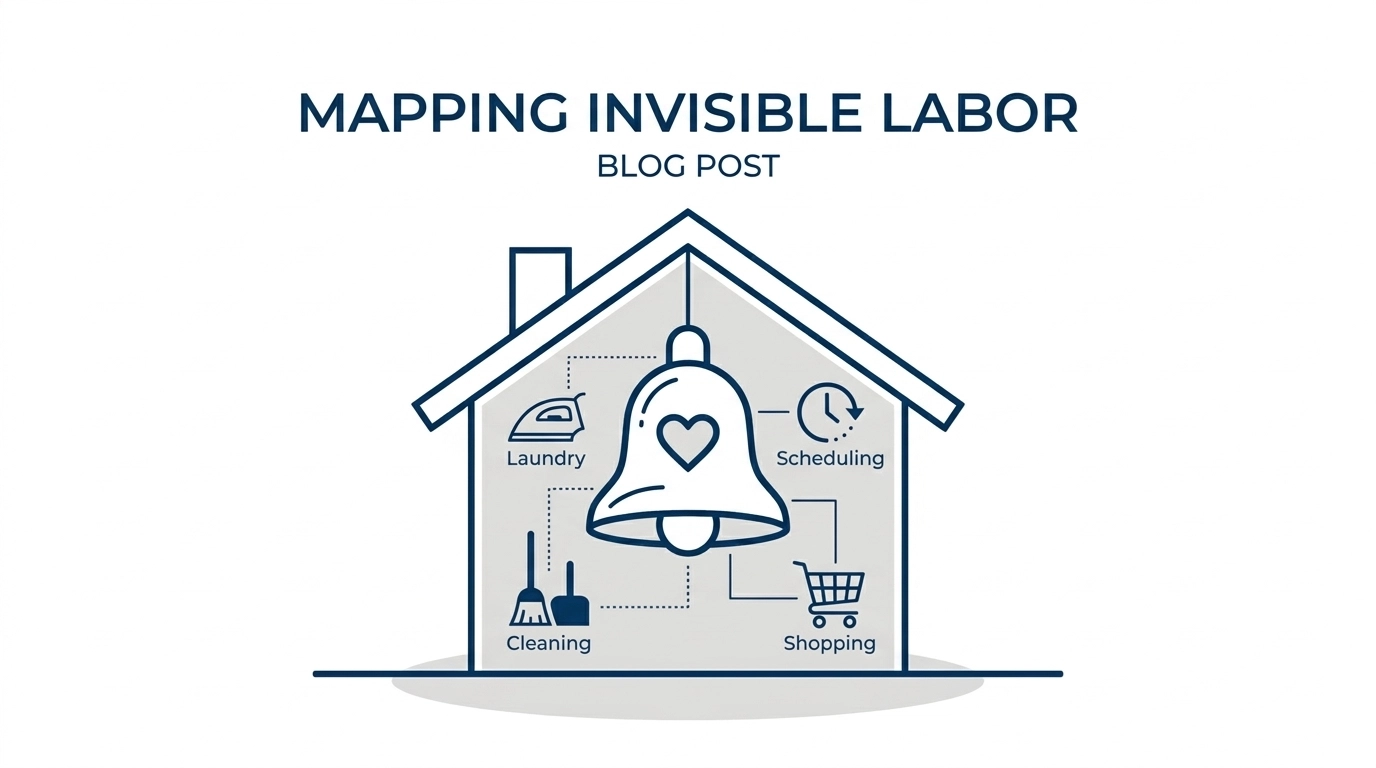
In many households, the most exhausting work is not the work that is seen. It is the work that is felt. It is the mental list of which child needs new shoes, the anticipation of a grocery shortage before the milk carton is empty, and the coordination of a weekend schedule that keeps everyone’s commitments from colliding. This is invisible labor: the cognitive and emotional management of a home.

When invisible labor remains unmapped, it leads to a predictable cycle of vague expectations, resentment, and eventual burnout. Without a shared system of record, household management relies entirely on willpower and memory. This is unsustainable. At Mavaro Systems, we view the home not just as a place of residence, but as a complex operating environment that requires a functional operating layer to thrive.

By shifting from a state of internal tracking to visible external systems, you move the burden of management from your mind to shared scaffolding. This transition is what we call moving from chaos to clarity.

The Best Chore App for Couples: Why Fairness Is Better Than a Checklist

· 7 min read
HausFlow Editorial
Behavioral Systems Writer

A vibrant, high-fidelity illustration of a modern couple in a light-filled living room, interacting with a calm, digital household management hub.

For many couples, the division of household labor is less about a lack of effort and more about a lack of visibility. We often mistake a long to-do list for a solution, only to find that the list itself becomes a secondary source of stress. When one person is the "manager" and the other is the "helper," the resulting friction isn't just about the dishes: it’s about the mental load.

To build a sustainable household, we must move beyond the simple checklist. The most effective chore app for couples isn't just a digital version of a paper list; it is an operating layer that prioritizes fairness, clarity, and rhythm.

At HausFlow, we’ve built a framework designed to move partners from chaos to clarity. This isn't about working harder; it’s about implementing a system that supports your relationship instead of straining it.