10 Reasons Your Shared Chore Tracker Isn’t Working (And How a Reset Loop Fixes It)

· 7 min read

A vibrant, high-fidelity illustration of a household rhythm loop that recovers and resets

Most household management systems fail not because of a lack of effort, but because of a lack of infrastructure. Whether you are a parent managing a family or a roommate in a shared apartment, the traditional "chore chart" often creates more friction than it solves. It relies on high-intensity willpower rather than a sustainable rhythm.

At HausFlow, we view home management as an operating layer for your life. When that layer is poorly designed, it leads to shame spirals, resentment, and eventual system abandonment.

To fix your household, you must first identify why your current tracker is breaking. Here are the 10 structural reasons shared systems fail, and how a Review -> Reset loop provides the scaffolding needed for long-term success.

Chore Charts for Adults vs. Shared Spreadsheets: Which Is Better For Your Household?

· 4 min read

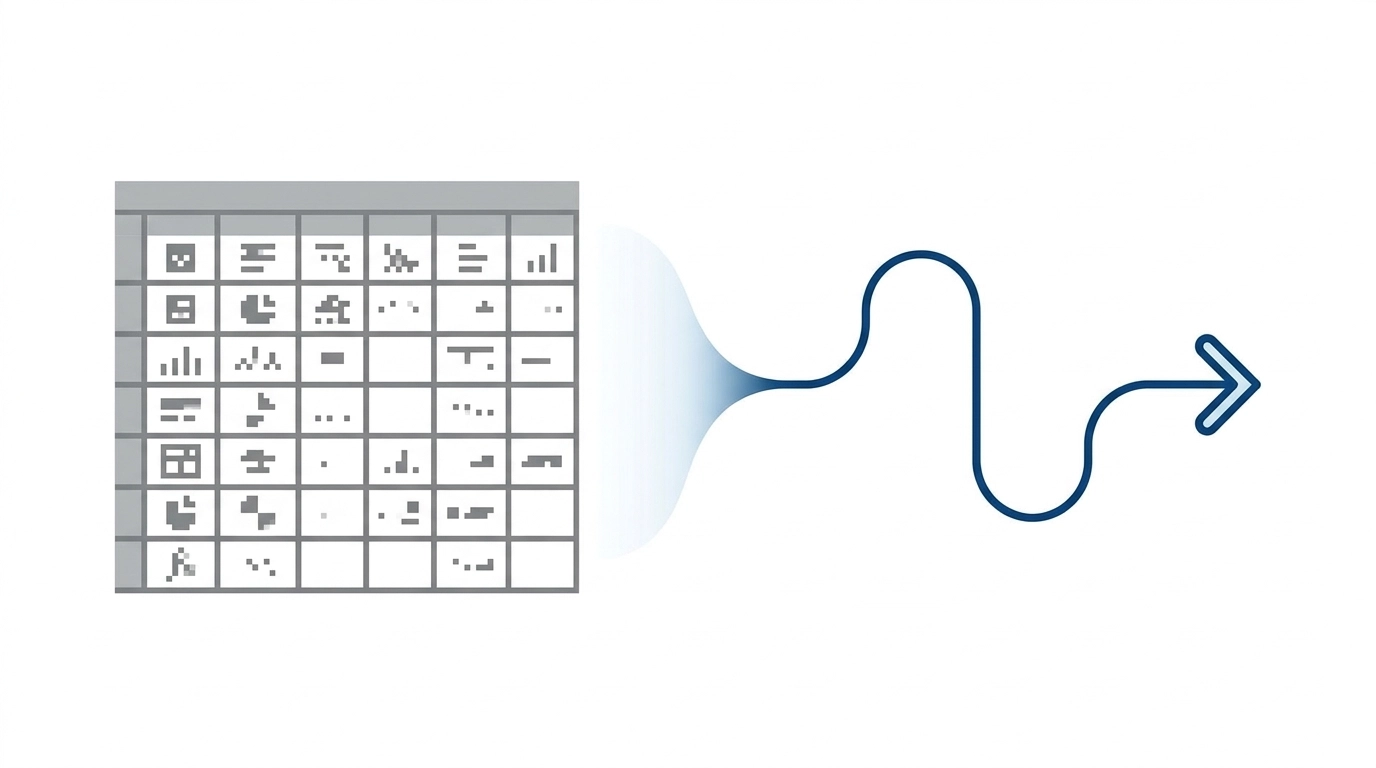
A minimalist vector illustration showing a transition from a cluttered grid to a clean, flowing path.

Managing a modern household often feels like running a small logistics company without a department head. For many parents, the solution is either a colorful paper chart pinned to the refrigerator or a complex shared spreadsheet that eventually becomes a digital graveyard of to-do items.

While both methods aim to solve the problem of domestic labor, they often introduce a new form of friction: the labor of managing the tool itself. At Mavaro Systems, we view household management through the lens of a Behavioral OS: an operating layer that supports human behavior rather than straining it.

In this guide, we compare traditional tracking methods against a systems-first approach to determine which scaffolding best supports your family’s rhythm.

Why Mapping Invisible Labor Will Change the Way You Partner and Parent

· 6 min read

heroImage

In many households, the most exhausting work is not the work that is seen. It is the work that is felt. It is the mental list of which child needs new shoes, the anticipation of a grocery shortage before the milk carton is empty, and the coordination of a weekend schedule that keeps everyone’s commitments from colliding. This is invisible labor: the cognitive and emotional management of a home.

When invisible labor remains unmapped, it leads to a predictable cycle of vague expectations, resentment, and eventual burnout. Without a shared system of record, household management relies entirely on willpower and memory. This is unsustainable. At Mavaro Systems, we view the home not just as a place of residence, but as a complex operating environment that requires a functional operating layer to thrive.

By shifting from a state of internal tracking to visible external systems, you move the burden of management from your mind to shared scaffolding. This transition is what we call moving from chaos to clarity.

Gamifying the Garbage: Raising Accountable Kids with HausFlow XP and Rewards

· 6 min read

Raising Accountable Kids with HausFlow XP and Rewards

Managing a household with children often devolves into a cycle of willpower battles. Parents rely on reminders, which escalate into nagging, and eventually culminate in frustration when tasks remain incomplete. This approach is biologically taxing. It requires high intensity from the parent to drive action from the child.

At Mavaro Systems LLC, we view the home not as a series of chores, but as a system of human behaviors. To move from chaos to clarity, we must transition away from willpower-based parenting and toward a structured operating layer.

HausFlow Family is built on the Mavaro Systems - Behavioral OS. This framework replaces friction with rhythm, using gamification not as a distraction, but as scaffolding for accountability. By utilizing Experience Points (XP), proof verification, and the Review -> Reset cycle, we can raise kids who understand the mechanics of contribution without the emotional drama.

Roommate Wars: Why Your Shared Spreadsheet is Failing (and How HausFlow Fixes It)

· 7 min read

Shared household coordination in the Mavaro Systems - Behavioral OS

Shared living is often entered with high optimism and low infrastructure. We assume that because we are friends, or at least reasonable adults, the mechanics of a household, cleaning, supplies, administrative overhead, will naturally find an equilibrium.

When that equilibrium fails, the standard response is the Shared Spreadsheet. It feels like a professional solution. It has rows, columns, and checkboxes. It creates a temporary sense of order.

However, spreadsheets are static tools designed for data storage, not dynamic human behavior. They require high willpower to maintain, offer no proactive guidance, and often become a digital artifact of resentment rather than a tool for harmony. Within weeks, the Roommate War begins, not because people are inherently lazy, but because the system lacks the necessary scaffolding to support them.

At Mavaro Systems, we view the household not as a collection of chores, but as a system that requires a reliable operating layer. This is where Mavaro Systems - Behavioral OS and the HausFlow platform provide a fundamental shift from friction to flow.

The Invisible Labor Audit: How HausFlow Makes Mental Load a Team Sport

· 6 min read

The Invisible Labor Audit Hero Image

In many households, there is a ghost in the machine. It is the work that leaves no physical footprint but consumes the majority of the bandwidth. It is the mental list of when the milk expires, which child needs new cleats by Tuesday, and whose turn it is to host the playdate.

This is invisible labor. It is the cognitive, managerial, and emotional weight of running a family. Recent research suggests that mothers shoulder approximately 71% of this mental load. When this burden remains unseen, it leads to a predictable cycle of friction, resentment, and eventual burnout.

At Mavaro Systems, we believe that resentment is often just a symptom of a missing system. By applying the Mavaro Systems - Behavioral OS, we can move home management from vague expectations to visible ownership.

Harmony Flows: How to Stop Nagging and Start Managing Your Family Like a Pro

· 8 min read

Hero Image: A vibrant, high-fidelity, dynamic illustration of a systematic daily family routine

Most parents eventually realize they have inherited a job title they never applied for: Chief Nagging Officer.

It is a role characterized by high-frequency verbal reminders, escalating volume levels, and a near-constant state of frustration. In this model, the parent acts as the central processor for every household task. You are the one who remembers the cleats, the one who tracks the toothbrushing, and the one who ultimately burns out because you are carrying the entire mental load of the family.

This is not a failure of parenting; it is a failure of architecture.

At Mavaro Systems, we view the home as a complex environment that requires a stable operating layer to function. When you rely on nagging, you are relying on intensity and willpower: two resources that are famously finite. To move from chaos to clarity, you need a system that supports human behavior rather than straining it.

We call this framework the Mavaro Systems - Behavioral OS. And within that system, the most powerful tool for families is the Harmony Flow.

From Chaos to Clarity: Using the Behavioral OS to Share Household Duties Without the Drama

· 11 min read

heroImage

Most household management systems fail because they rely on the one thing humans are notoriously bad at maintaining: intensity.

We approach chores with a burst of willpower. We buy a new whiteboard, color-code a calendar, or spend a Sunday afternoon "getting organized." By Wednesday, the board is blank, the calendar is outdated, and the resentment is back. This is the intensity trap. It is an attempt to solve a structural problem with a psychological state.

At HausFlow, we view the household not as a collection of people who need to try harder, but as a system that needs a more reliable operating layer. We call this the Mavaro Systems - Behavioral OS.

By shifting from willpower to a system-first logic, you can move away from the drama of "Who forgot what?" and toward the clarity of "How does the system work?"

Welcome To The HausFlow Journal

· One min read

The knowledge hub now has a blog section.

We added it so the docs site can carry lighter-weight updates that do not belong in evergreen reference pages. This is where we can publish release notes, methodology updates, documentation changes, and product thinking without forcing those updates into the core docs structure.