3 posts tagged with "household-systems"

View All Tags

10 Reasons Your Shared Chore Tracker Isn’t Working (And How a Reset Loop Fixes It)

· 7 min read

A vibrant, high-fidelity illustration of a household rhythm loop that recovers and resets

Most household management systems fail not because of a lack of effort, but because of a lack of infrastructure. Whether you are a parent managing a family or a roommate in a shared apartment, the traditional "chore chart" often creates more friction than it solves. It relies on high-intensity willpower rather than a sustainable rhythm.

At HausFlow, we view home management as an operating layer for your life. When that layer is poorly designed, it leads to shame spirals, resentment, and eventual system abandonment.

To fix your household, you must first identify why your current tracker is breaking. Here are the 10 structural reasons shared systems fail, and how a Review -> Reset loop provides the scaffolding needed for long-term success.

Chore Charts for Adults vs. Shared Spreadsheets: Which Is Better For Your Household?

· 4 min read

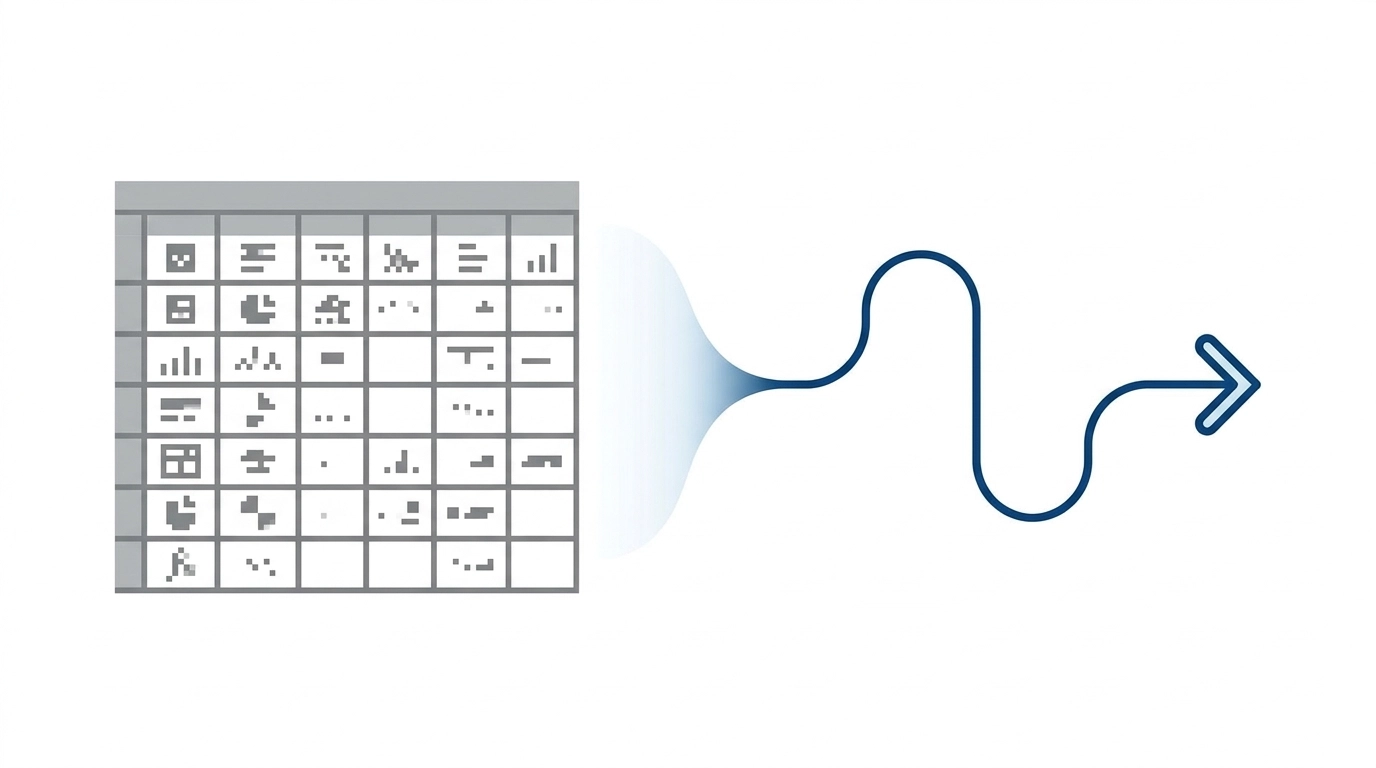
A minimalist vector illustration showing a transition from a cluttered grid to a clean, flowing path.

Managing a modern household often feels like running a small logistics company without a department head. For many parents, the solution is either a colorful paper chart pinned to the refrigerator or a complex shared spreadsheet that eventually becomes a digital graveyard of to-do items.

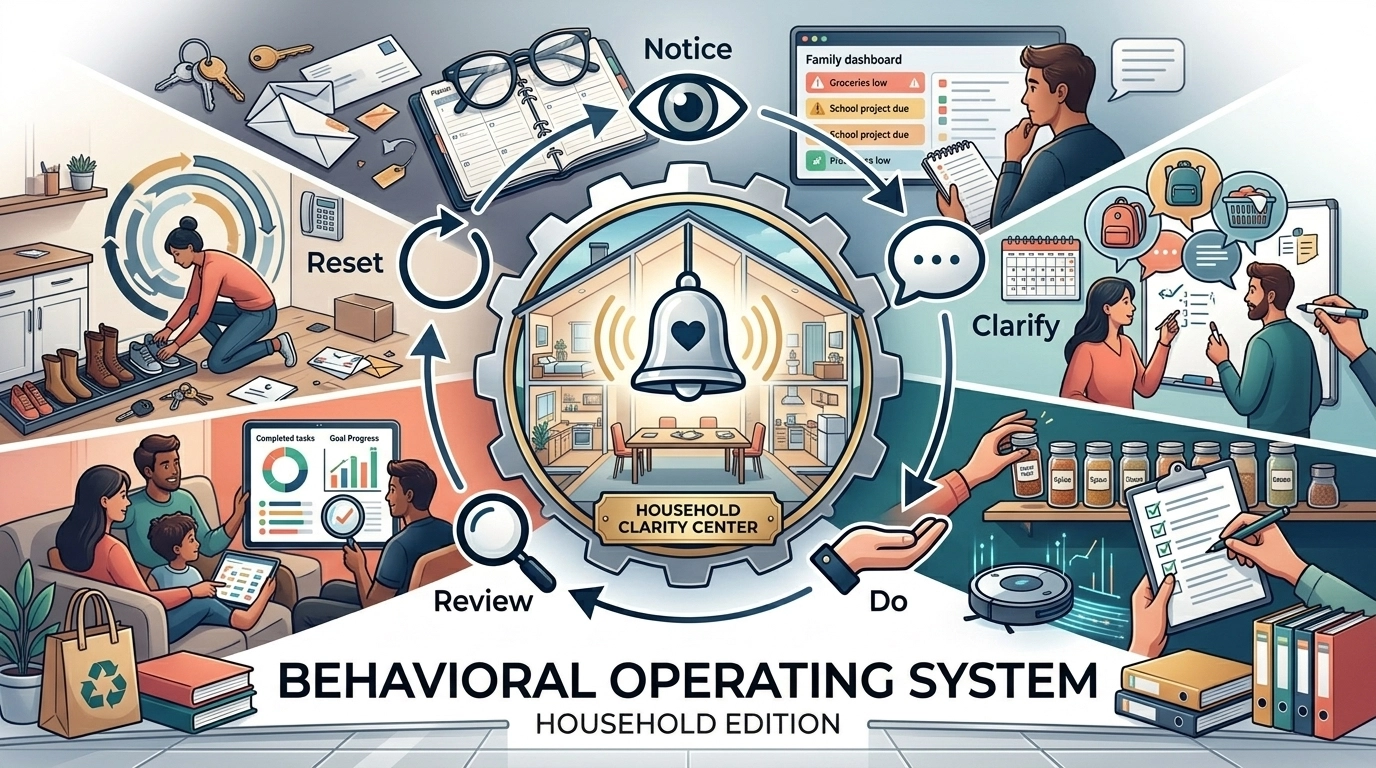
While both methods aim to solve the problem of domestic labor, they often introduce a new form of friction: the labor of managing the tool itself. At Mavaro Systems, we view household management through the lens of a Behavioral OS: an operating layer that supports human behavior rather than straining it.

In this guide, we compare traditional tracking methods against a systems-first approach to determine which scaffolding best supports your family’s rhythm.

From Chaos to Clarity: Using the Behavioral OS to Share Household Duties Without the Drama

· 11 min read

heroImage

Most household management systems fail because they rely on the one thing humans are notoriously bad at maintaining: intensity.

We approach chores with a burst of willpower. We buy a new whiteboard, color-code a calendar, or spend a Sunday afternoon "getting organized." By Wednesday, the board is blank, the calendar is outdated, and the resentment is back. This is the intensity trap. It is an attempt to solve a structural problem with a psychological state.

At HausFlow, we view the household not as a collection of people who need to try harder, but as a system that needs a more reliable operating layer. We call this the Mavaro Systems - Behavioral OS.

By shifting from willpower to a system-first logic, you can move away from the drama of "Who forgot what?" and toward the clarity of "How does the system work?"