32 posts tagged with "hausflow"

View All Tags

Invisible Labor No More: A Guide to Balancing Your Fair Household Workload

· 6 min read
HausFlow Editorial
Behavioral Systems Writer

heroImage

Household management is often perceived as a collection of physical tasks: washing dishes, vacuuming floors, or taking out the trash. However, the most exhausting part of maintaining a home is the work that cannot be seen. This is invisible labor at home: the cognitive and emotional burden of anticipating needs, planning schedules, and monitoring the overall state of the household.

When this labor is unacknowledged, it creates a mental load that typically falls disproportionately on one person. The result is not just a messy house, but a fractured relationship defined by resentment, friction, and shame spirals when tasks are inevitably missed.

At Mavaro Systems, we view the home not just as a place to live, but as an environment requiring a functional Mavaro Systems Behavioral OS. By implementing an operating layer that makes the invisible visible, families and roommates can transition from chaotic reactive states to a steadier, more sustainable rhythm.

Why Calm Prompts Beat Constant Reminders Every Time

· 7 min read
HausFlow Editorial
Behavioral Systems Writer

A vibrant, high-fidelity illustration of a peaceful family dashboard in a sunlit living room.

Most household management apps are built on a foundation of "nagging." They are designed to beep, buzz, and banner-drop until you: or your family members: submit to the task at hand. The logic is simple: if we make the notification annoying enough, the person will eventually do the chore just to make the noise stop.

At Mavaro Systems, we believe this approach is fundamentally broken. It relies on intensity and willpower, two resources that are in short supply at the end of a long day. More importantly, it creates a "shame spiral." When you see a red badge or a "Late" tag, your brain doesn't think, "I should handle that." It thinks, "I've failed," or "I'm being hounded."

This is why we've built HausFlow around the concept of Calm Prompts. As we move toward 100% completion: with the Android and iOS apps currently 80% done: we want to share the philosophy behind this shift and why it's the only sustainable way to manage a shared home.

The Visual Family Calendar: Why Per-Kid Color Coding Actually Works

· 7 min read
HausFlow Editorial
Behavioral Systems Writer

A vibrant, high-fidelity illustration of a digital family calendar interface with color-coded event blocks and dots.

Managing a modern household is often less about the physical labor and more about the management of information. Between soccer practices, music lessons, chore rotations, and "Handled It™" moments, the mental load of keeping a family synchronized is immense. This is what we call "invisible labor": the constant cognitive processing required to ensure everyone is where they need to be, doing what they need to do.

At Mavaro Systems, we recognize that the primary friction in most homes isn't a lack of willingness to help; it's a lack of clarity. When expectations are buried in a group text or a cluttered spreadsheet, the system fails because the human brain cannot process the data quickly enough to act on it.

As we reach the 80% completion mark for the HausFlow Family apps on Android and iOS, we have focused heavily on the Visual Family Calendar. Specifically, we have implemented a per-kid color-coding system that serves as a visual scaffolding for the entire household. This isn't just about aesthetics: it's about building a sustainable operating layer for your life.

The Death of the Digital Nag: Why Supportive Systems Beat Pressure in Household Management

· 6 min read
HausFlow Editorial
Behavioral Systems Writer

heroImage

Life at home is rarely a linear sequence of events. It is a complex, overlapping web of domestic logistics: grocery replenishment, extracurricular coordination, laundry cycles, and the persistent question of "what’s for dinner?"

For many, the solution has been to turn to technology. However, most household management apps today act as digital nags. They are built on a foundation of high-pressure notifications, shame-inducing red badges, and a reliance on the user's raw willpower to just get it done.

At HausFlow, we believe this approach is fundamentally flawed. By forcing a high-energy optimization mindset onto the home, these apps often add to the very mental load they claim to solve. Built on the Mavaro Systems Behavioral OS, HausFlow is designed to be a calm, supportive operating layer: a system that prioritizes structural consistency over intense willpower.

Harmony Flows: How to Stop Nagging and Start Managing Your Family Like a Pro

· 8 min read

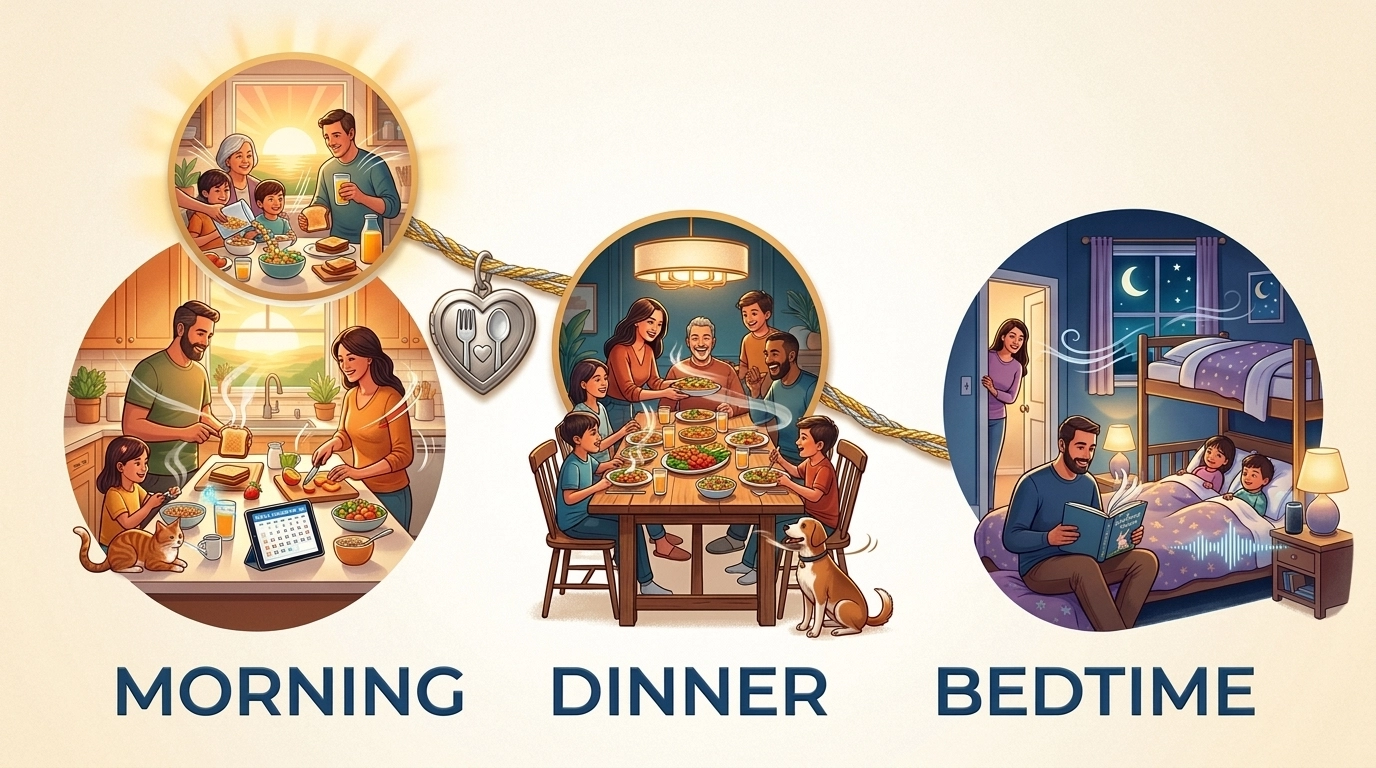
Hero Image: A vibrant, high-fidelity, dynamic illustration of a systematic daily family routine

Most parents eventually realize they have inherited a job title they never applied for: Chief Nagging Officer.

It is a role characterized by high-frequency verbal reminders, escalating volume levels, and a near-constant state of frustration. In this model, the parent acts as the central processor for every household task. You are the one who remembers the cleats, the one who tracks the toothbrushing, and the one who ultimately burns out because you are carrying the entire mental load of the family.

This is not a failure of parenting; it is a failure of architecture.

At Mavaro Systems, we view the home as a complex environment that requires a stable operating layer to function. When you rely on nagging, you are relying on intensity and willpower: two resources that are famously finite. To move from chaos to clarity, you need a system that supports human behavior rather than straining it.

We call this framework the Mavaro Systems - Behavioral OS. And within that system, the most powerful tool for families is the Harmony Flow.

The Ultimate Guide to Choosing a Chore Chart for Adults in 2026: Systems Over Willpower

· 6 min read
HausFlow Editorial
Behavioral Systems Writer

heroImage

For most households, the struggle isn't a lack of effort. It is a lack of infrastructure.

In 2026, the traditional paper "chore chart for adults" has revealed its primary flaw: it relies almost entirely on willpower. When willpower fluctuates: due to work stress, illness, or general burnout: the system collapses. This collapse often leads to a "shame spiral," where unfinished tasks create resentment, and the mental load of tracking who did what becomes a second job in itself.

At Mavaro Systems, we view household management not as a series of chores to be finished, but as an operating layer for your life. We don't believe in more discipline; we believe in better scaffolding.

Setting Up for Success: Your First 5 Minutes in the HausFlow App

· 6 min read
HausFlow Editorial
Behavioral Systems Writer

A family collaborating on their household dashboard using the HausFlow app

The transition from a chaotic household to a coordinated one does not require a sudden burst of willpower. It requires a better operating layer. At Mavaro Systems, we believe that the friction most families feel: the nagging, the forgotten chores, and the "invisible labor": is a system failure, not a character flaw.

With the HausFlow Family app now 80% complete, we have optimized the onboarding experience to be as frictionless as possible. You don't need a weekend to set this up. You need five minutes. This guide walks you through the initial implementation of the Mavaro Systems Behavioral OS in your home, moving you from vague expectations to a steady rhythm of follow-through.

Why We Built "Recall Submission": Giving Kids the Tools to Self-Correct

· 6 min read
HausFlow Editorial
Behavioral Systems Writer

A child using the HausFlow Kid Shell on a tablet, featuring a calm Recall Submission button

At Mavaro Systems, we are currently 80% through the development of the HausFlow Family mobile apps for Android and iOS. As we move closer to a full release, our focus has sharpened on a specific type of friction that exists in every household: the gap between "I'm done" and "It's actually finished."

In most chore-tracking systems, this gap is filled by the parent. The kid finishes a task, the parent inspects it, finds a mistake, and the "nagging loop" begins. We built HausFlow to break that loop. One of the most critical tools in this effort is a feature we call Recall Submission.

No-Shame Design: How HausFlow Replaces Nagging with Neutral Accountability

· 7 min read
HausFlow Editorial
Behavioral Systems Writer

A vibrant illustration of a modern home with a digital operating layer showing task icons and clear ownership systems.

In many households, the "operating system" for getting things done isn't a system at all: it's a person. Usually, this person is the one who notices when the trash is overflowing, the one who tracks the kid's soccer schedule, and the one who eventually, out of pure exhaustion, has to ask someone else to help.

We call this "nagging," but that's a loaded term. In reality, it is the predictable byproduct of a home that lacks a visible coordination layer. When expectations are vague and ownership is invisible, the only way things get done is through constant person-to-person friction. This leads to what we call the Shame Spiral: the person reminding feels like a parent to their partner, and the person being reminded feels criticized, controlled, or inadequate.

At Mavaro Systems, we believe the solution isn't to "communicate better" or "try harder." The solution is to move the accountability out of the relationship and into a neutral system. We call this No-Shame Design.

Why Mapping Invisible Labor Will Change the Way You Partner and Parent

· 6 min read

heroImage

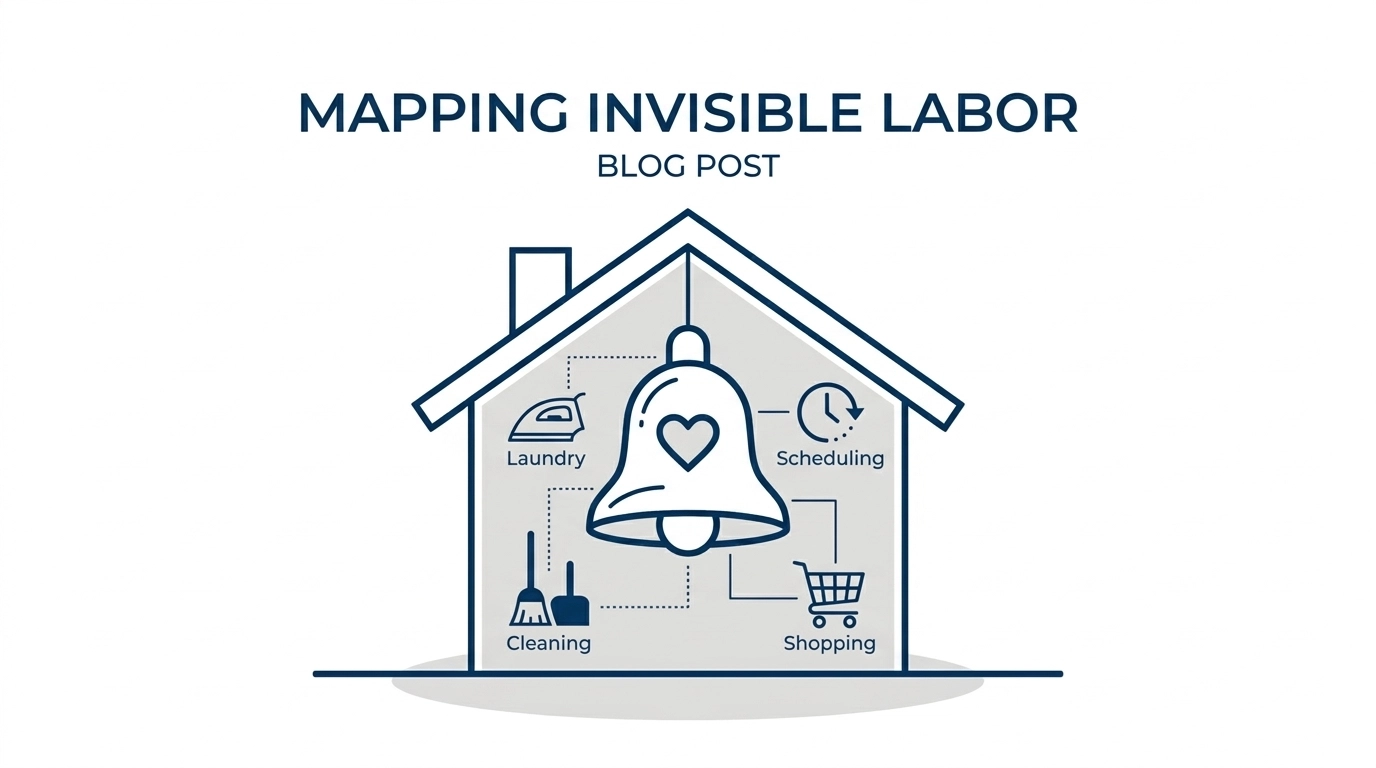
In many households, the most exhausting work is not the work that is seen. It is the work that is felt. It is the mental list of which child needs new shoes, the anticipation of a grocery shortage before the milk carton is empty, and the coordination of a weekend schedule that keeps everyone’s commitments from colliding. This is invisible labor: the cognitive and emotional management of a home.

When invisible labor remains unmapped, it leads to a predictable cycle of vague expectations, resentment, and eventual burnout. Without a shared system of record, household management relies entirely on willpower and memory. This is unsustainable. At Mavaro Systems, we view the home not just as a place of residence, but as a complex operating environment that requires a functional operating layer to thrive.

By shifting from a state of internal tracking to visible external systems, you move the burden of management from your mind to shared scaffolding. This transition is what we call moving from chaos to clarity.

From Chaos to Clarity: Using the Behavioral OS to Share Household Duties Without the Drama

· 11 min read

heroImage

Most household management systems fail because they rely on the one thing humans are notoriously bad at maintaining: intensity.

We approach chores with a burst of willpower. We buy a new whiteboard, color-code a calendar, or spend a Sunday afternoon "getting organized." By Wednesday, the board is blank, the calendar is outdated, and the resentment is back. This is the intensity trap. It is an attempt to solve a structural problem with a psychological state.

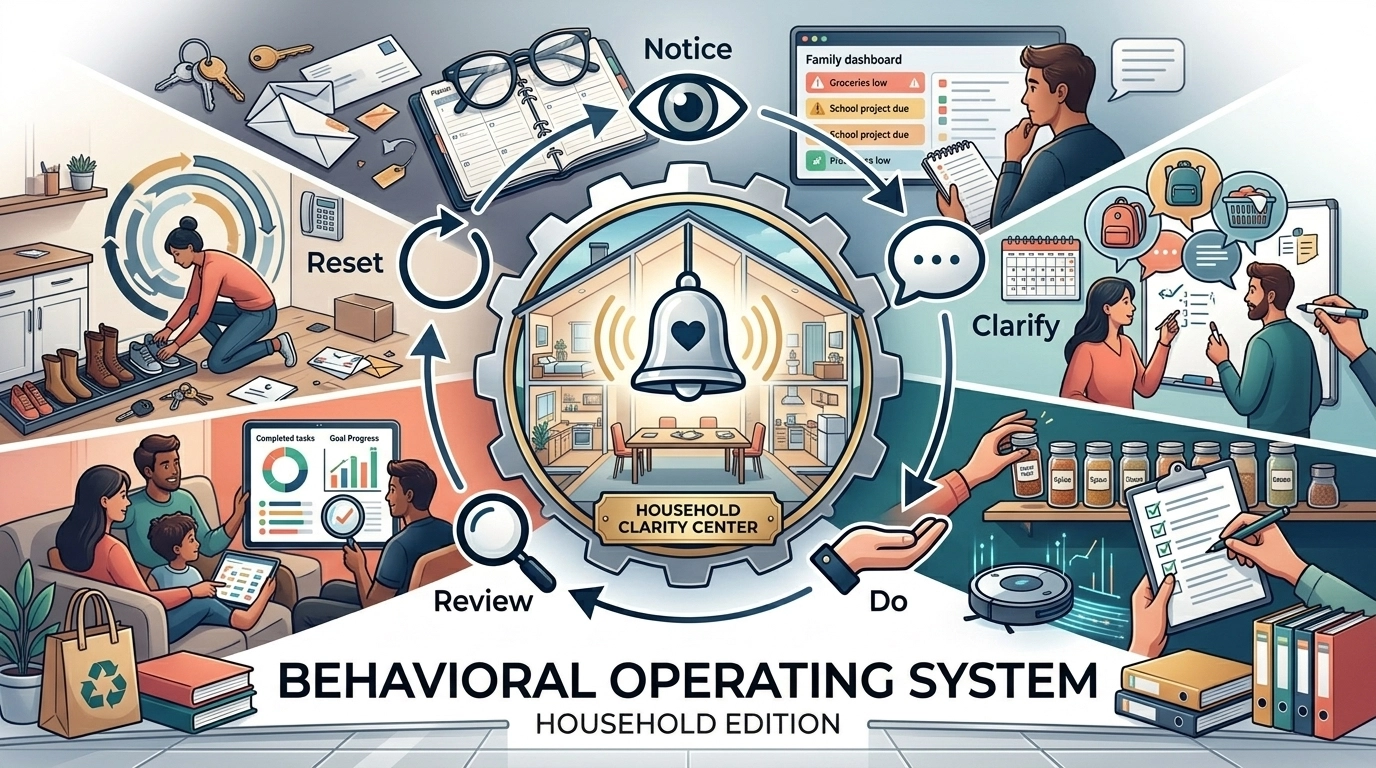
At HausFlow, we view the household not as a collection of people who need to try harder, but as a system that needs a more reliable operating layer. We call this the Mavaro Systems - Behavioral OS.

By shifting from willpower to a system-first logic, you can move away from the drama of "Who forgot what?" and toward the clarity of "How does the system work?"

Shared Coordination: Why HausFlow is a System, Not Just a List

· 6 min read
HausFlow Editorial
Behavioral Systems Writer

A vibrant, high-fidelity illustration of a modern family home where the facade is partially translucent, revealing glowing, interconnected gears and rhythmic flow lines behind the walls. These gears represent a household 'operating system.' The atmosphere is calm and harmonious.

Most household management starts with a list. A grocery list on the fridge, a scribbled chore chart in the hallway, or a shared note on a smartphone. We assume that if we just write the tasks down, the work will get done.

But for most families, the list is where the friction begins, not where it ends.

The list is a reactive tool. It requires someone, usually a parent, to act as the "Project Manager," constantly updating, reminding, and auditing. This creates a "willpower debt" where the system only works as long as one person has the energy to push it forward.

At Mavaro Systems, we believe that for home coordination to be sustainable, it has to move beyond the static list. It needs to become an operating layer for your life. That is the core philosophy behind HausFlow: a system designed for shared coordination, not just task tracking.